
The age old question…
The Two Ways of Assembling Kitchen Cabinets: Glue and Wooden Dowels vs. Cam and Pins.
When it comes to assembling kitchen cabinets, ensuring durability and stability is paramount. As a kitchen manufacturer, we often find ourselves discussing the two most common assembly methods: glue and wooden dowels, and the Cam and Pins system. Both methods have their unique advantages, and your choice can impact not only the height of quality in your cabinets but also their longevity. Let’s delve into each method.
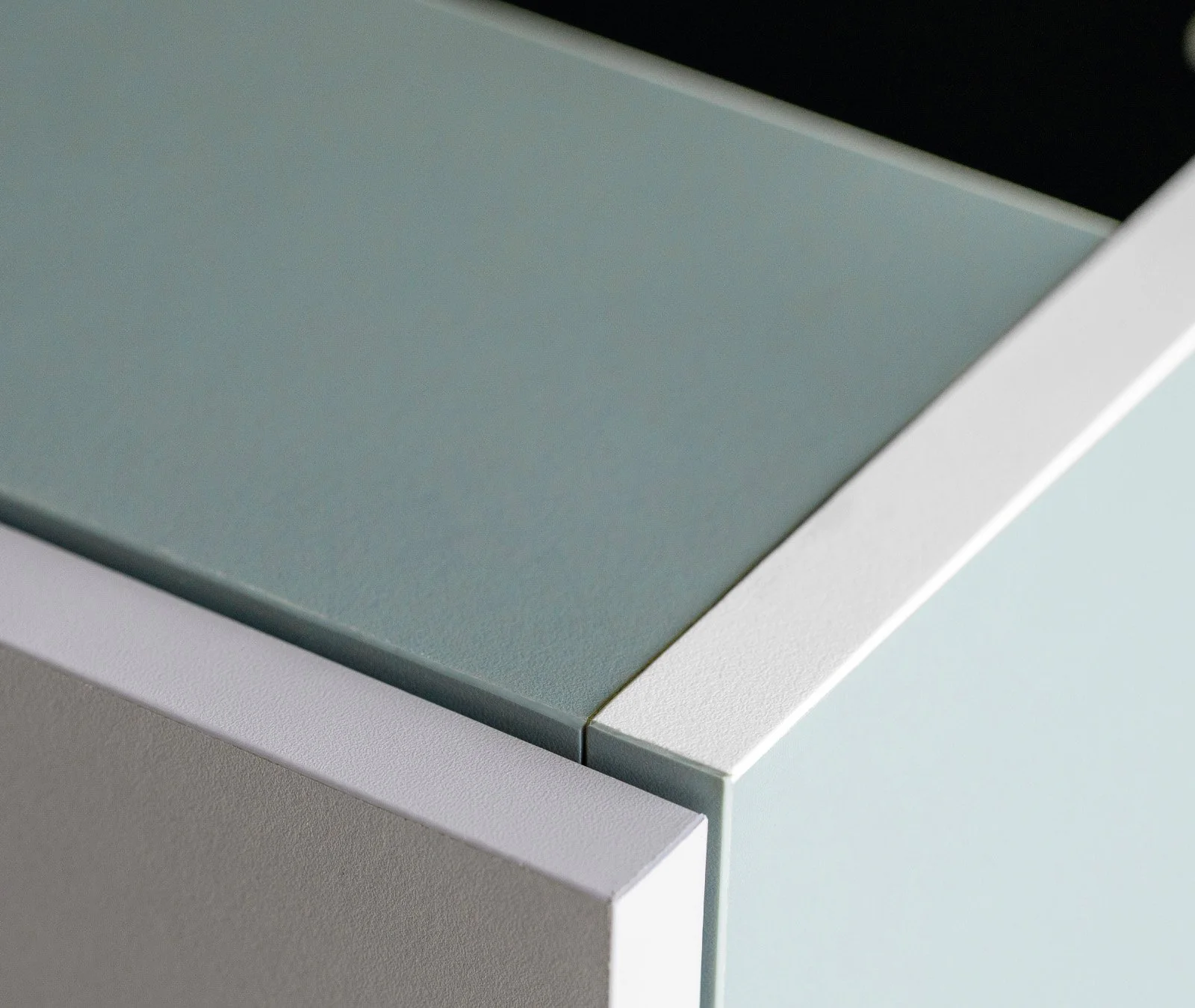
#### Glue and Wooden Dowels
The traditional method of using glue and wooden dowels has been a staple in cabinet assembly for generations. This technique involves drilling holes into the edges of cabinet panels and inserting dowels—small cylindrical wooden rods—into these holes. The panels are then glued together, resulting in a strong and stable joint.
**Advantages:**
1. **Strong Bond:** Wood glue, when cured, creates a robust bond that enhances the structural integrity of the cabinet. The combination of glue and dowels makes for a lasting hold.
2. **Aesthetic Appeal:** This method allows for a clean look as joints can be hidden, resulting in a seamless finish that is visually appealing.
3. **Environmentally Friendly:** Being made from wood, dowels are sustainable and environmentally friendly.
However, one of the drawbacks to this method is that it requires a more extended assembly time. Proper clamping and drying time are crucial to achieve the best results, which can be daunting for those looking for quick assembly.
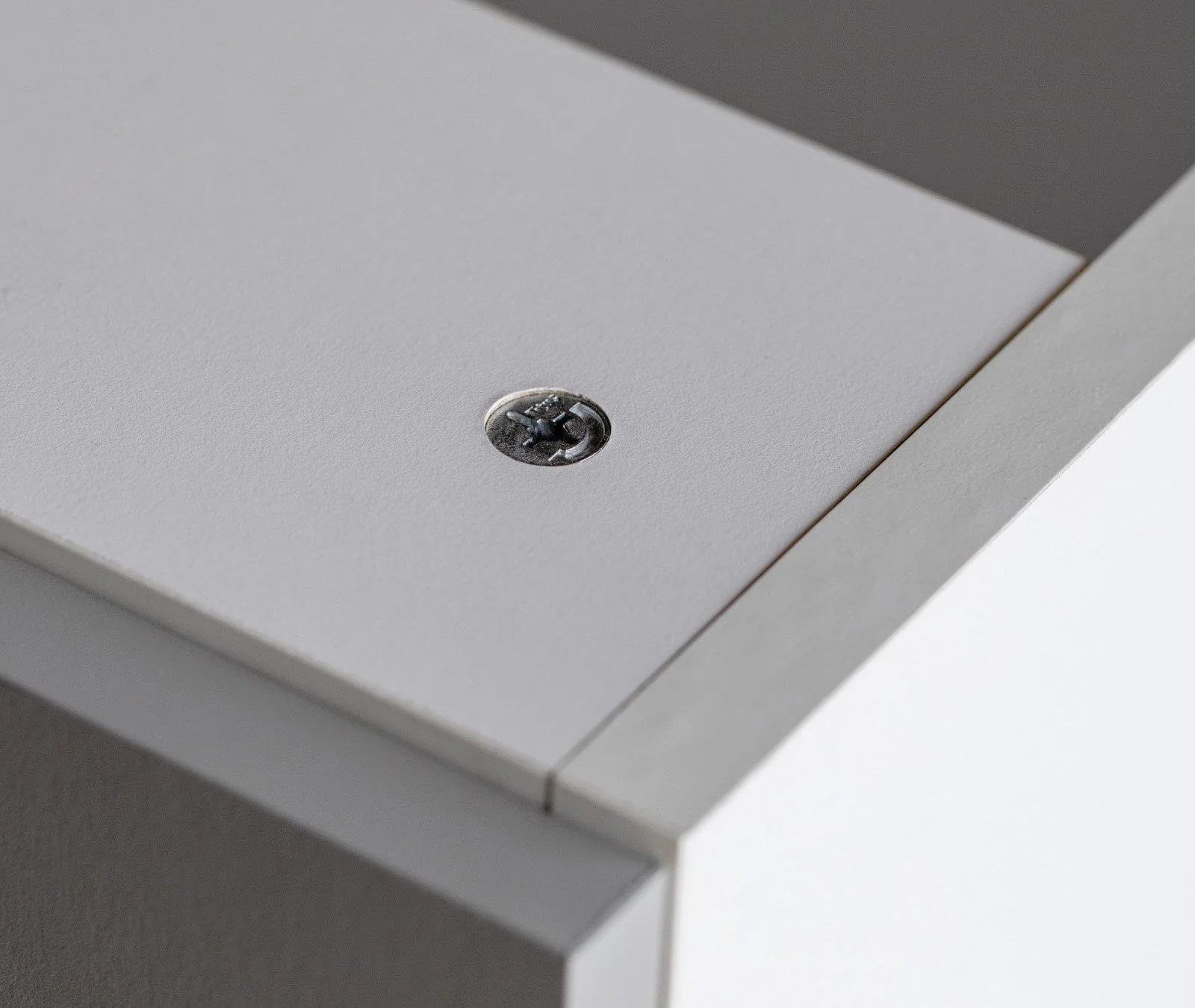
#### Cam and Pins
On the other hand, the Cam and Pins system has emerged as a popular choice, especially in ready-to-assemble (RTA) cabinetry. This system uses cam locks and metal pins to connect the panels together. The cams are inserted into one panel, and when turned, they lock tightly onto the pins of the adjoining panel.
**Advantages:**
1. **Ease of Assembly:** The Cam and Pins method is quick and straightforward. It allows for faster assembly, making it an attractive option for both DIY enthusiasts and professionals.
2. **Adjustability:** The system permits slight adjustments in panel alignment, which can be beneficial during installation, particularly in older homes where walls may not be perfectly straight.
3. **Cost-Effective:** This method can often be more economical in terms of materials and labor, appealing to budget-conscious projects.
The downside to this approach is that the visible hardware might not always align with the aesthetic preferences of some homeowners. However, many modern designs incorporate these elements in a manner that complements the overall look of the cabinets.
### Conclusion
In selecting an assembly method for your kitchen cabinets, consider the project’s requirements, your time frame, and aesthetic preferences. The glue and wooden dowels method may offer superior strength and environmental benefits, while the Cam and Pins system provides quick and adjustable assembly. Ultimately, both methods can produce stunning results, transforming your kitchen into a functional and beautiful space.
For more information on our products or to discuss which assembly method might be right for your next project, feel free to contact us at [phone number] or visit our website at [website URL]. Let’s create the kitchen of your dreams together!